
The Editorial Note
3/30/2026
𝙄𝙀𝘽𝘾 𝙈𝙐𝙎𝙏 𝘼𝘾𝙏 – 𝘼 𝘾𝘼𝙇𝙇 𝙏𝙊 𝘼𝘾𝙏𝙄𝙊𝙉 𝙁𝙊𝙍 𝙏𝙍𝘼𝙉𝙎𝙋𝘼𝙍𝙀𝙉𝙏 2027 𝙀𝙇𝙀𝘾𝙏𝙄𝙊𝙉𝙎
Read More
Loading...
Stay connected with the latest news and announcements from Diaspora News Radio

The Orange Democratic Movement is on the brink, the battle lines are clearer than ever. At the center of it all stands Edwin Sifuna-defiant, eloquent, and increasingly seen by many as the political heir to the ideals of Raila Amolo Odinga. But this is no ordinary party wrangle. This is a high-stakes chess game ahead of 2027. Sources now indicate that a team led by Oburu Odinga has begun quietly persuading sections of the party that negotiations are underway with President William Ruto for a possible Deputy President slot in the 2027 elections. A Deputy President position. A tantalizing promise-but one loaded with political landmines. Analysts are quick to point out the arithmetic. President Ruto secured close to 80 percent of the Mt. Kenya vote in 2022, largely anchored on awarding the Deputy President position to the region. To abandon Mt. Kenya for Nyanza in 2027 would be politically explosive-a gamble that could fracture his strongest base. At the same time, critics argue that for ODM to hinge its future on demanding a DP slot is equally unrealistic. Even with Baba himself on the ballot, Nyanza-though loyal-did not deliver the largest bloc of votes nationally. In fact, other strongholds contributed more to his tally than his own backyard. In short,the numbers don’t add up. Political observers say this is a very tricky path for the Oburu-led camp,and many believe President Ruto is far too calculated to juggle such a dangerous equation. Meanwhile, Sifuna has remained steady and clear: ODM will field a presidential candidate. He has echoed Baba’s words repeatedly, that the purpose of a political party is to win elections and form government, not to negotiate for boardroom comfort. It was widely understood that Raila intended to run again in 2027. But following his passing, critics now question whether certain elements within ODM are steering the party away from its founding mission. And that is where Sifuna draws the line. Together with leaders like James Orengo, Babu Owino, Winnie Odinga and Caleb Amisi, the “Linda Mwananchi” rallies are sweeping across the country,a clarion call to protect the movement Baba built. Tomorrow’s rally in Kitengela is expected to be nothing short of a political showdown - a defining moment for Sifuna’s camp. And listen to this: the Gen Z wave that once declared, “We have no leader,” is now chanting a new slogan. #MimiNdioSifuna. Across campuses, social spaces, and digital platforms, young Kenyans are aligning with Sifuna and Babu Owino — boldly declaring that they have found a voice that speaks their language: fearless, principled, uncompromising. Political analysts now make striking comparisons. They say Baba’s spirit of resistance lives in Sifuna-his fearlessness, his intellectual sharpness, his command of language. Others go further,drawing parallels with the late Michael Kijana Wamalwa, the eloquent statesman who stood shoulder to shoulder with Raila in the fight for democratic reforms and later served as Vice President under Mwai Kibaki in 2002. Like Wamalwa, Sifuna is articulate. Like Raila, he is resilient. Like both, he speaks of a Kenya that works for all. Coming from Western Kenya, Sifuna has deliberately avoided regional politics,positioning himself not as a tribal champion, but as a national voice. Just as Raila did. And perhaps that is what unsettles some within the establishment. Because this moment feels bigger than internal party elections. It feels generational. It feels transformational. ODM today faces a defining question: negotiate for positions or ,compete for power? As Kitengela braces for tomorrow’s rally, and as the political temperatures continue to rise, one thing is unmistakable: A new face of change is emerging. Fearless. Principled. Eloquent. Edwin Sifuna. And across the country, the chant grows louder MIMI NDIO SIFUNA. Kenya is watching.

There are concerns about the IEBC's proposal to conduct youth voter registration online, with biometric verification only at Huduma centers. While the idea has potential, questions . IEBC's credibility is indeed under scrutiny, especially after the sudden departure of the CEO without clear explanations. Kenyans are keen on a transparent and smooth voter registration process to ensure they can elect leaders who reflect their aspirations. Given the importance of elections in securing peaceful transfers of power, it's understandable that citizens are watching closely. There's a risk of intentional mismatches between biometric and ID details, which could disenfranchise youth voters. The system has gaps that need addressing, such as past issues with ID issuance where incorrect names or mismatched details have caused problems. We need assurances that these issues will be resolved before proceeding with youth voter registration.

The State-of-the-Art Hospital (TOM MBOYA Mother & Child) in Trans Nzoia is a testament to Governor George Natembeya's servant leadership, as inspired by Mark 10:45, "For even the Son of Man came not to be served but to serve, and to give his life as a ransom for many." Trans Nzoia County has made significant strides in development, particularly after the 2010 constitution emphasized devolution. Governor Natembeya has fostered a sense of citizenship and community, transforming the county through effective management and project implementation. We're impressed by the rapid progress, from inaugurating the County Headquarters to the upcoming State-of-the-Art Mother and Child Hospital, which will enhance healthcare services once is in full operational. Effective leadership yields results, and Governor Natembeya's commitment to serving his people is evident. As Kenyan Diaspora leader, am working with healthcare professionals to support his initiatives, including acquiring modern equipment and promoting volunteer services. Our goal is to position Kitale as a tourist destination with international-standard healthcare. We're confident in Governor Natembeya's vision and look forward to continued progress.

The upcoming 2027 election will be a pivotal moment in determining Kenya's trajectory. As politicians prepare for the electoral contest, many are seeking ways to maintain their positions, even if it means manipulating the system. However, we believe that collective action can mitigate the influence of self-serving leaders. The Gen Z movement has demonstrated the effectiveness of grassroots mobilization in driving change. By leveraging this power, we can achieve significant goals, such as increasing voter registration. Our objective is to register a minimum of 8 million new voters by September, making it more difficult for politicians to disregard the will of the people. To achieve this, we propose establishing a national coordinating committee to oversee voter registration efforts, supported by county teams down to the sub-location level. This will involve identifying unregistered individuals, addressing barriers to registration, and providing the necessary support. Furthermore, we can identify and empower emerging leaders by equipping them with the skills and knowledge needed to serve effectively. For career politicians, we advocate for transparency and accountability by scrutinizing what I call P.P.F. (Past, Present, and Future)-past actions, current responsibilities, and future plans. By harnessing the power of mobilization, we can create a more inclusive society and a better future for Kenya. It is time to channel our collective energy into constructive action rather than mere protest. Let us work together to shape a brighter future for our country.

Kenya is a prayerful nation, but putting our faith into practice is something else. I've come to this conclusion because when I see people in churches on Sunday and leaders using the Lord's name in vain, it bothers me a great deal. Right now, the same people who came to office riding on the "born-again Christian" wave and brandishing Bibles in our faces have put them down and forgotten about them and that is the only campaign promise they've kept. Leadership doesn't require knowing everything, but being able to bring all people together and chart a plan to make things work. We have many accomplished people who are passionate about giving their best to transform our country. As Jesus stated in the Bible (Matthew 13:57, Mark 6:4, Luke 4:24, John 4:44), a prophet is not honored in his hometown. This is very relevant in Kenya. Kenyans in the diaspora are the largest donors to Kenya, but they're ignored because they won't dance to the tune of Kenyan politicians. That's why they're not part of the discussion on how to incorporate them into nation-building. If the leadership is honest about transforming Kenya, why can't they talk to those of us in the diaspora who have worked in organizations or governments that have developed? They could honestly seek advice on how we've helped other countries develop. We can use that knowledge to develop Kenya, instead of just standing on a car rooftop telling hungry people we're going to transform Kenya into something they know will never happen! Kenya doesn't need to be Singapore or any other country; we can use our own people to create something unique for others to admire. I want to tell these "mis-leaders" that we have the ability. If they have short memories, let me remind them: M-Pesa is a global iconic symbol developed by a Kenyan, which they're now selling to who-knows-who. The "Hustler narrative" is being replaced by the "Singapore Narrative," which Ruto thinks Kenyans are foolish enough to believe, so he can ride on it and create some funds here and there to borrow money at the expense of the Kenyan people. Let's start with the Hustler narrative: why haven't we been given an inventory report on who the beneficiaries are or how many mama mbogas or boda boda riders have been lifted from poverty with that fund? We can't just be campaign slogan creators with no impactful development for the people. Diasporans are asking when they'll be given a seat at the table, or if it is now time we have to force ourselves to that table. The diaspora community is tired of empty promises and worthless talk; we keep footing the bill day in, day out. We have corporations that have been floated for sale; why can't the leadership in Kenya approach the diaspora community and ask them to invest? That's how you create a sovereign nation whose identity and dignity are respected. Mexico has a department in the foreign ministry, in collaboration with the Treasury, which coordinates their diaspora remittances. Many other countries serious about transforming their economies do the same. Singapore is a business hub that attracts international investors because they've made corruption a zero-tolerance issue and built a business infrastructure that's very user-friendly. Those of us in the diaspora are used to that easy system. When you arrive in Kenya trying to set up a business, what you go through and the bribes you're asked for at every turn make us give up. Kenya will never be Singapore, no matter how high you shout from the rooftops. 𝑰𝒕 𝒊𝒔 𝒎𝒚 𝒉𝒐𝒑𝒆 𝒕𝒉𝒂𝒕 𝒊𝒏 2027, 𝑲𝒆𝒏𝒚𝒂𝒏𝒔 𝒐𝒇 𝒈𝒐𝒐𝒅𝒘𝒊𝒍𝒍 𝒔𝒉𝒐𝒖𝒍𝒅 𝒏𝒆𝒗𝒆𝒓 𝒂𝒈𝒂𝒊𝒏 𝒎𝒂𝒌𝒆 𝒕𝒉𝒆 𝒎𝒊𝒔𝒕𝒂𝒌𝒆 𝒐𝒇 𝒗𝒐𝒕𝒊𝒏𝒈 𝒇𝒐𝒓 𝒑𝒓𝒐𝒎𝒊𝒔𝒆-𝒎𝒂𝒌𝒆𝒓𝒔, 𝒃𝒖𝒕 𝒊𝒏𝒕𝒆𝒓𝒓𝒐𝒈𝒂𝒕𝒆 𝒆𝒗𝒆𝒓𝒚𝒐𝒏𝒆 𝒑𝒓𝒆𝒔𝒆𝒏𝒕𝒊𝒏𝒈 𝒕𝒉𝒆𝒎𝒔𝒆𝒍𝒗𝒆𝒔 𝒇𝒐𝒓 𝒍𝒆𝒂𝒅𝒆𝒓𝒔𝒉𝒊𝒑 𝒐𝒏 𝒕𝒉𝒆𝒊𝒓 𝒑𝒂𝒔𝒕 𝒓𝒆𝒄𝒐𝒓𝒅, 𝒑𝒓𝒆𝒔𝒆𝒏𝒕 𝒂𝒄𝒉𝒊𝒆𝒗𝒆𝒎𝒆𝒏𝒕𝒔, 𝒂𝒏𝒅 𝒇𝒖𝒕𝒖𝒓𝒆 𝒂𝒄𝒉𝒊𝒆𝒗𝒂𝒃𝒍𝒆 𝒑𝒓𝒐𝒑𝒐𝒔𝒂𝒍𝒔.

Public participation in the 2010 Constitution of Kenya is about empowering citizens to contribute to decision-making processes, ensuring their voices are heard in governance, and holding leaders accountable. The Constitution outlines various mechanisms for this, including involvement in legislative processes, access to information, and transparency. However, it seems there's a gap between the constitutional provisions and the reality on the ground. Many Kenyans might not fully understand their rights and powers under the Constitution, making them vulnerable to exploitation. Recent examples such as the way the public was treated during the impeachment case of Rigathi Gachagua, the process that gave us SHA, and now the KSh 323 billion health deal with the U.S. government highlight concerns about how public participation is being implemented. The political class thinks they are the owners of Kenya and that what they say goes, and that is why they are signing and making deals without citizens’ input. If citizens ask questions, they unleash police brutality on them. Educating citizens about their rights and the importance of public participation is crucial for ensuring accountability and good governance. Citizens' power to contribute to governance is a cornerstone of democracy. In Kenya, the 2010 Constitution emphasizes public participation, allowing citizens to influence decision-making processes. This includes involvement in legislative processes, budgeting, and policy-making. Some key areas where citizens can exercise this power include: • Participating in public hearings and consultations • Providing feedback on proposed laws and policies • Engaging with elected representatives and government officials • Joining community groups or organizations advocating for specific causes • Accessing information and holding leaders accountable Effective public participation requires awareness, education, and an enabling environment something Kenyans must reclaim by force if politicians won’t cede the ground. We are gearing up for an election in about 16 months, and the Election Campaign Finance Act (ECFA) 2013 of Kenya the court has already pronounced itself on this issue sets guidelines on money in politics, but no one is talking about it. I pray that as we go into 2026, Kenyans will wake up and get involved. We have only one country to safeguard before we lose it to the dogs. To my brothers and sisters, let’s set our differences aside and get back into the trenches before it’s too late.

Politics is meant to be the avenue where servant-leaders offer themselves and present their vision for improving the lives of citizens. Voters then select the most suitable candidate. For this selection process to be legitimate, we require a neutral referee. This is the fundamental role of the Independent Electoral and Boundaries Commission (IEBC). Yet, the current IEBC has proven to be toothless and shambolic. It has failed to fully implement the Election Campaign Financing Act (ECFA) of 2013, which was designed to regulate political fundraising and spending and to curb the use of violent goons. Furthermore, it is time for Kenya to criminalize the widespread practice of voters queueing for handouts from politicians. This culture indirectly fuels a vicious cycle of corruption. Politicians spend fortunes on campaigns, then, once in office, feel compelled to steal public funds first to recoup their costs, and then to build a war chest for the next election. This is a key reason the Constituency Development Fund (CDF), despite constitutional questions, persists, it is seen as a mechanism for MPs to "give back" and recover campaign expenses. The handout culture is a double poison. It locks out young, qualified candidates from fair competition and reduces democracy to a transactional marketplace where votes go to the highest bidder. This was glaringly evident in the recent by-elections, such as in Malava. This leads to a fatal conflict of interest. An MP's primary duty is to oversee the executive. But how can the Malava MP, for instance, credibly oversee an executive that handpicked and sponsored his campaign? We are on a dangerous path. The 2027 election risks being the most violent in our history. Those who have plundered the nation are preparing to cling to power at any cost. Hence, the rise of "goonism" as a political tool,a trend being supervised by the very government meant to protect us. Amidst this, the handpicked IEBC looks the other way, emboldening the perpetrators. The violence in the recent by-elections demands a serious investigation. The entire IEBC commission must be disbanded. Kenya is greater than any individual's greed. Why did the IEBC not disqualify violators and recommend prosecutions? Why pretend these crimes are not happening? My advice to Kenyans is simple: it is time to wake up. We must demand a streamlined, transparent, and impartial electoral process before all hell breaks loose.
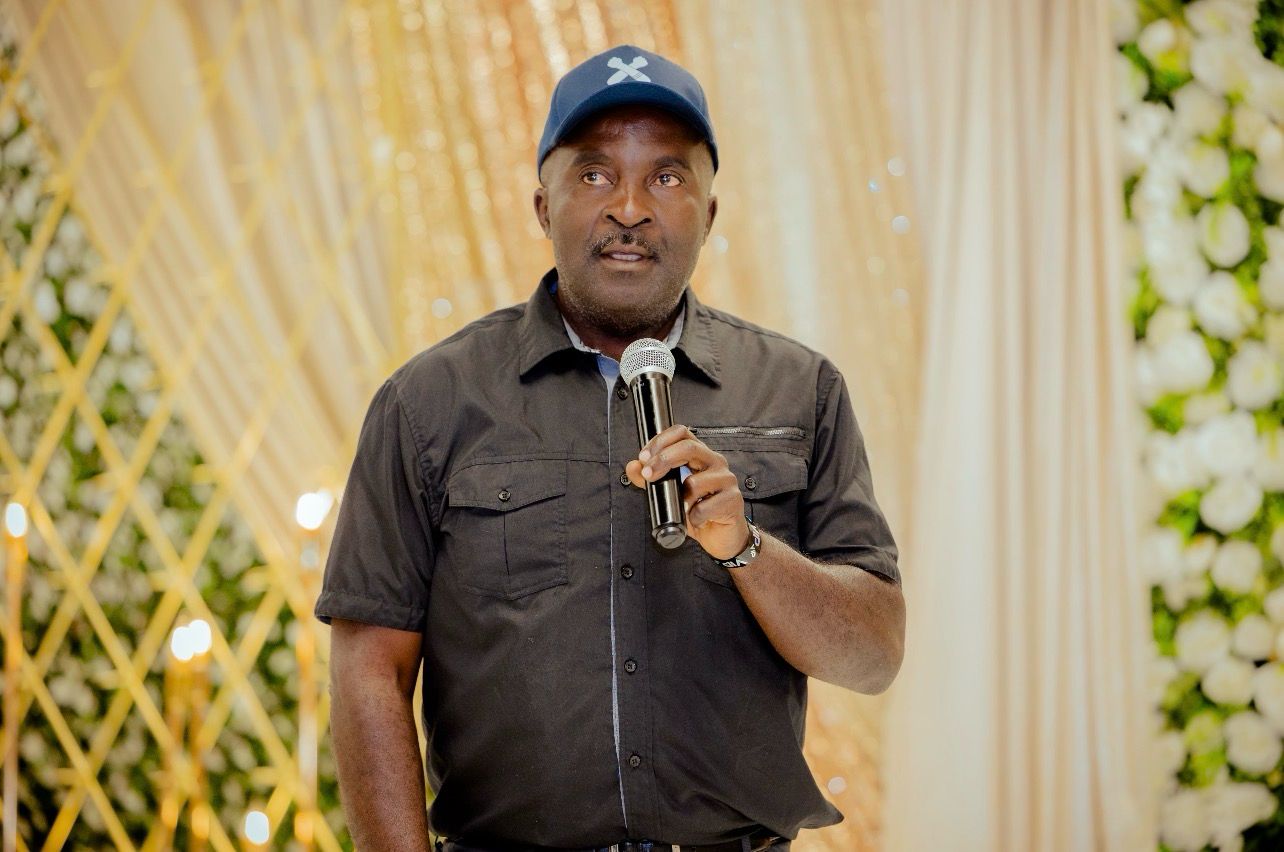
I still remember the day I boarded that plane from Kenya to the United States. I had a degree, ambition, and a heart full of hope, but no idea how hard the journey ahead would be. The world I stepped into was cold, fast, and unfamiliar. I found myself taking credentialing classes, juggling multiple jobs, and learning new rules of life every single day. I worked for USA government in USDA (U.S. Department of Agriculture) in finance, Mortgage as bank underwriter, yet deep inside, I kept asking myself a quiet question: Who speaks for us out here? I looked around and saw a community that had done everything right. We worked hard. Built homes. Built businesses. Sent money back home. Raised children between cultures. But when it came to the leaders and decisions shaping the place we still called “home,” we were ghosts,visible only when convenient, forgotten soon after. That silence bothered me. It followed me through boardrooms, long shifts, and even through the excitement of starting my own marketing and transportation businesses. Eventually, I realized something: that empty space, that missing voice… it was mine to fill. That’s how Diaspora News Radio was born, not as a project, but as a promise. A promise that never again would my community live in the shadows of decisions made without us. A promise that our stories, our sacrifices, and our children’s futures would no longer be overlooked. Today, when I speak into the microphone, I speak not for myself but for millions who have walked this same road. This platform is our bridge. Our seat at the table. Our reminder that diaspora voices matter. And I intend to make sure we’re never forgotten again.

When I left home, I thought physical distance would be the biggest challenge. I was wrong. The hardest part was realizing that once you leave, you slowly disappear from the national conversation no matter how much you contribute. I watched leaders fly in for diaspora tours, shake hands, collect applause, and promise change. And every time, I watched them return home and slip back into business as usual. No accountability. No follow-through. Meanwhile, the diaspora continued building nations abroad while sustaining the one we left behind. I kept thinking: How can there be such a huge gap between us and the leadership we support? With every job I took whether sitting behind a desk at the USDA or reviewing mortgage files at First American Bank I kept returning to the same thought: “Someone needs to build a bridge.” Not a symbolic one, but a real platform where our concerns aren’t edited, sidelined, or ignored. Diaspora News Radio became that bridge. Here, I bring professionals together. I connect voices from around the world. We talk about health, heritage, safety, education, and investments. We celebrate our diversity and challenge our leaders back home to do better because we deserve better. This radio station is more than media; it’s a movement. A reminder that distance shouldn’t silence us. A reminder that our children deserve to inherit not just our dreams, but our identity. And most importantly, a reminder that leadership must answer to the people no matter where we live.
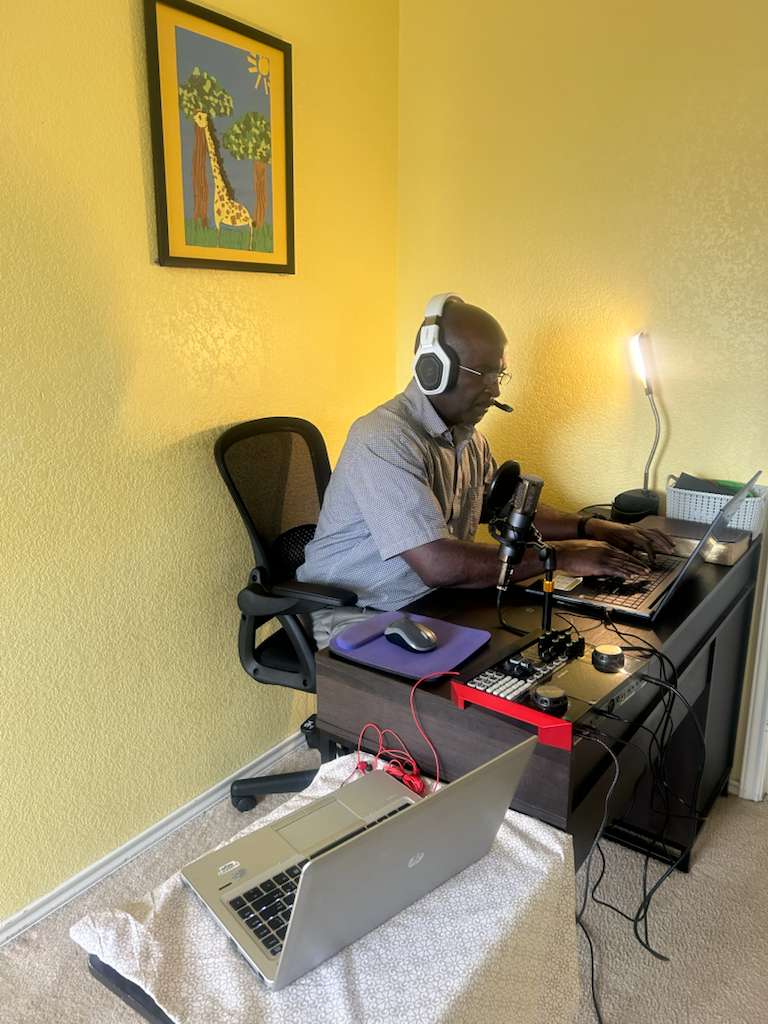
I didn’t start Diaspora News Radio because I wanted to be a broadcaster. I started it because I was tired. Tired of watching hardworking diasporans being treated as if we are only good for remittances. Tired of seeing our expertise ignored. Tired of decisions made for us but never with us. My story is no different from many others. Graduating in Kenya, moving to the U.S., stumbling through culture shock, taking credentialing classes, working job after job until my feet knew exhaustion better than rest. But we survived. We thrived. We built careers, businesses, families, communities. Yet we still remained outside the room where decisions were made. One day, I told myself: Enough. If they won’t give us a seat at the table, I will build a new table. So Diaspora News Radio became that table, a place for honest conversations, tough questions, cultural pride, and community empowerment. Here, we approach leadership not with hostility but with expectation. We demand transparency. We elevate professionals. We teach our children where they come from. We share opportunities and protect our own. My dream is simple: That one day, no diaspora member will ever feel invisible. That our leaders will know we are watching, listening, and ready to speak. That our home country will grow stronger, not in spite of us, but because of us. Together, we are rewriting the narrative. Together, we are claiming our space. Together, we are saying to the world: We are here, we matter, and we will not be forgotten.